Quick answer: a consistent bedtime routine — same steps, same order, most nights — signals to your body that it's time to wind down, and adding a natural sleep balm to that routine gives your brain a specific scent cue to associate with sleep.
Why routine matters more than any single product
Sleep quality is largely about consistency. Your body relies on cues — dimming lights, lowering temperature, repeated actions — to release melatonin on schedule. A single "sleep hack" rarely works in isolation; it works because it's part of a repeated pattern your nervous system learns to recognize.
A simple 4-step wind-down routine
-
Dim the lights 30–45 minutes before bed. Bright light delays melatonin release.
-
Put your phone down earlier than you think you need to. Even 10 minutes of scrolling can undo the calm you just built.
-
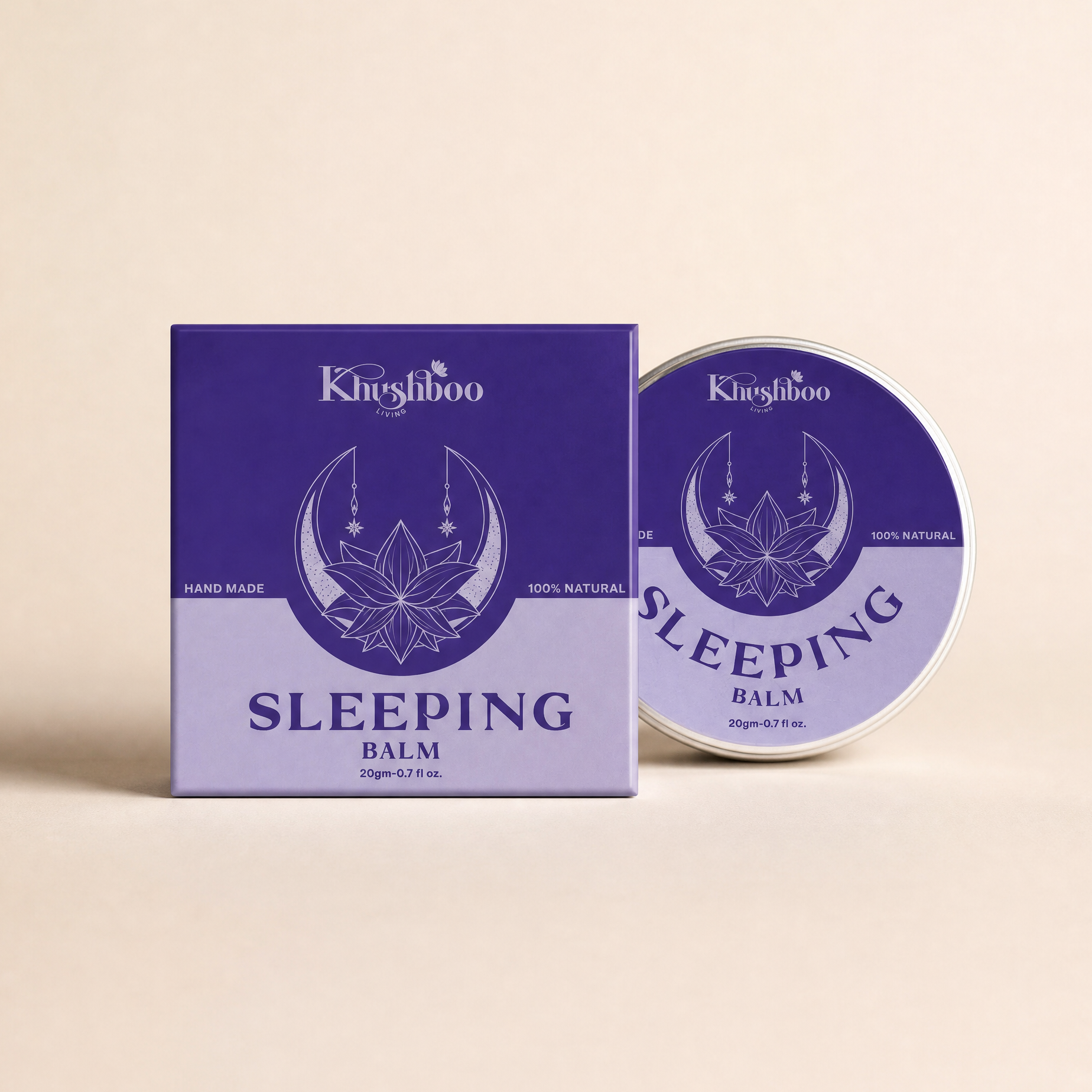
Apply a natural sleeping balm to your pulse points — wrists, temples, behind the ears. Our Sleeping Balm is made with pure essential oils specifically for this step.
-
Do the same thing every night. The repetition is what actually trains the response — not the individual ingredients.
Why essential oils help with sleep specifically
Certain essential oils — lavender, chamomile, sandalwood — have been associated with lower heart rate and reduced anxiety when used consistently as part of a wind-down ritual. The mechanism is partly aromatic and partly behavioral: the scent itself becomes a signal, the same way a lullaby or a dimmed lamp does.
Pairing a balm with a candle ritual
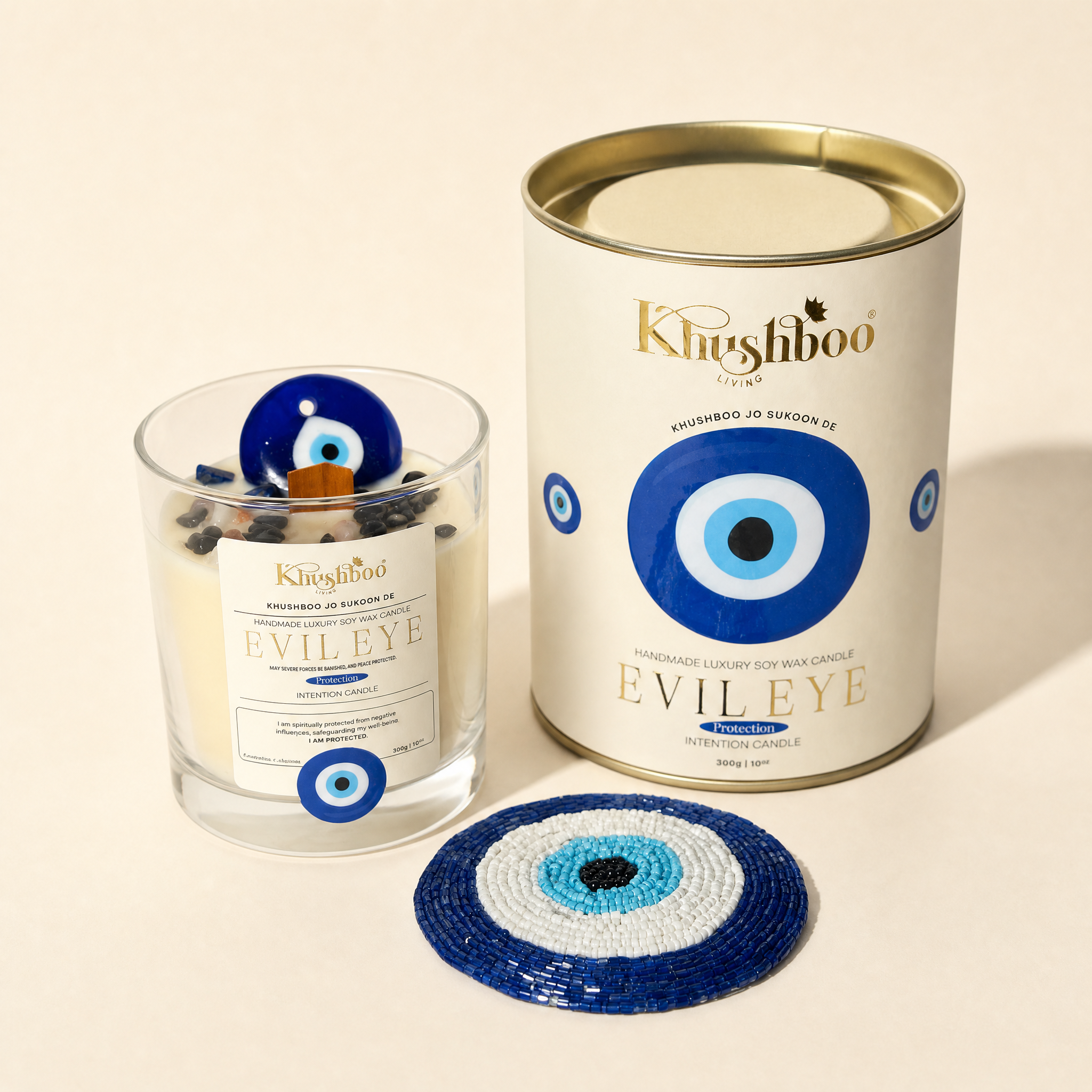
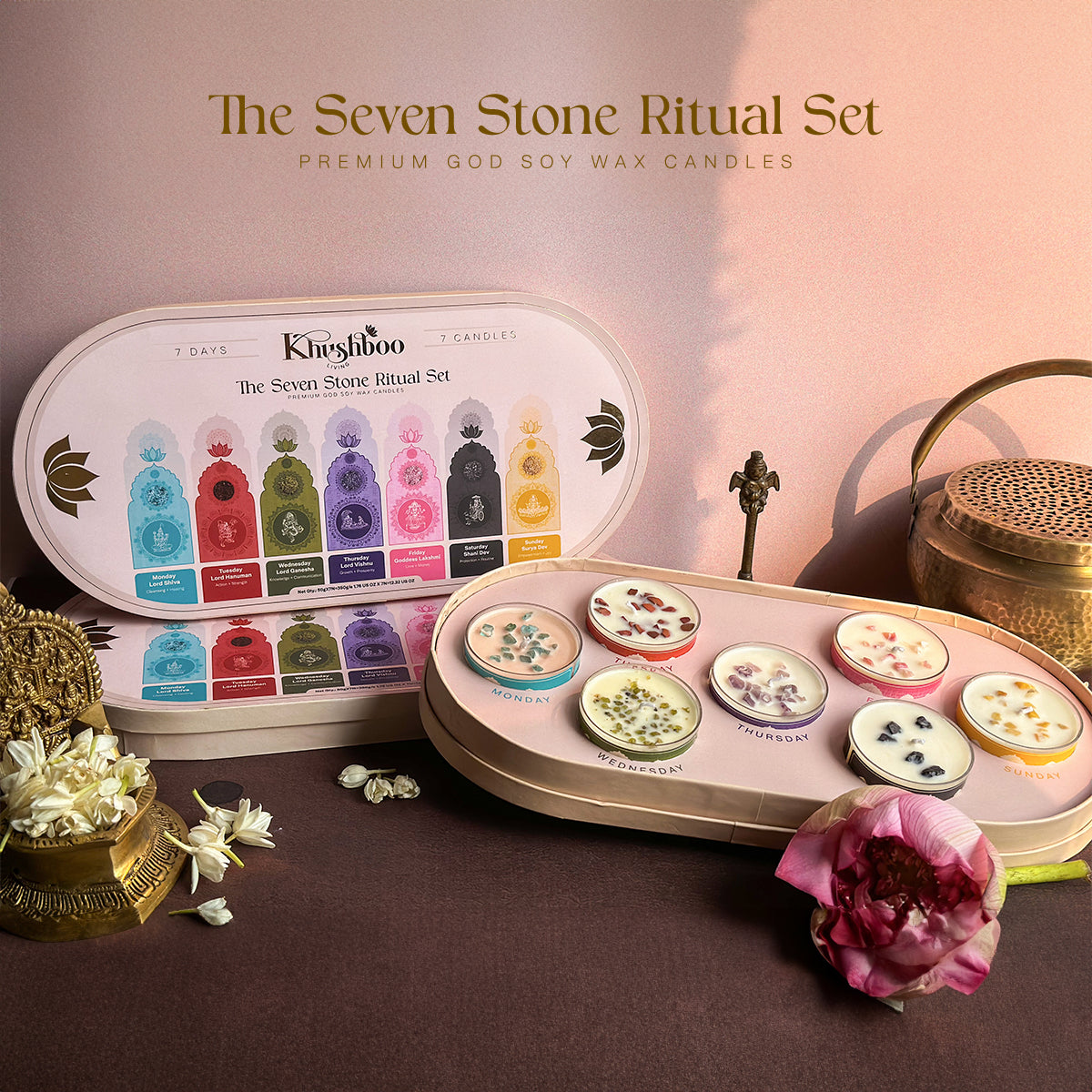
If you already burn a candle in the evening, applying your sleep balm at the same time creates two overlapping sensory cues instead of one — a habit stack that reinforces itself. A calming scent like Raat ki Chandni (sandalwood and lavender) pairs naturally with this step.
FAQ
Where should I apply a sleep balm?
Pulse points work best — wrists, temples, and behind the ears — since body heat there helps release the scent throughout the night.
How long before bed should I use a sleeping balm?
Roughly 15–20 minutes before you intend to fall asleep, as part of your broader wind-down routine rather than as a standalone fix.
Can a sleep balm replace melatonin or other sleep aids?
No — it's a ritual and comfort tool, not a medical treatment. If you have ongoing sleep issues, it's worth speaking with a doctor rather than relying on any single product.